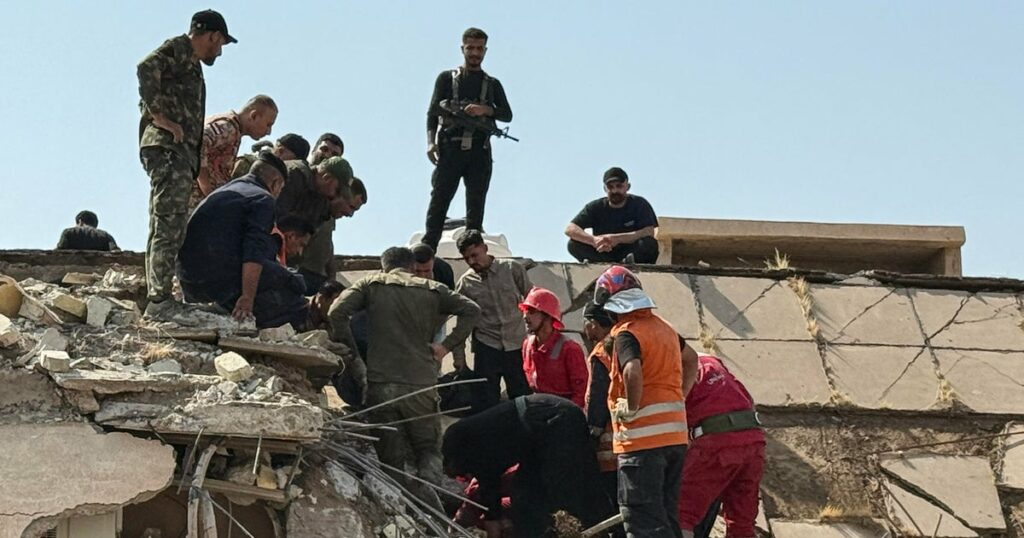
U.S. and Saudi forces strike Iranian proxies in Iraq as Middle East conflict broadens.
Key Points
- U.S. and Saudi forces targeted Iranian proxies in Iraq.
- Trump vowed severe retaliation against Iran amid increasing hostilities.
- CENTCOM redirected 20 ships, accusing them of evading a blockade on Iranian ports.
- Drone strikes ignited fires on gas vessels at an Egyptian port, no injuries reported.
- Financial markets reacted to the conflict with fluctuating oil prices and U.S. stocks.
The United States and Saudi Arabia have launched joint strikes on Iranian proxies in Iraq, marking an escalation in the Middle East conflict. President Trump threatened Iran with 'a beating,' asserting an assertive stance amid tensions with the Islamic Republic.
Military Escalations in Iraq
The conflict in the Middle East intensified as U.S. and Saudi Arabia conducted attacks on Iranian proxy forces in Iraq. Iraqi Shiite militias reportedly suffered significant casualties in these strikes.
The Pentagon stated that the targets were terrorist logistics and weapons sites across eastern Iraq. The strikes followed threats from President Trump to deliver a strong response to Iran's actions.
“We're going to be hitting them very hard because it's our turn to hit them.”President Trump
Maritime Security Concerns
The U.S. Central Command redirected 20 commercial ships accused of violating the blockade on Iran ports. This move illustrated the escalating maritime security challenges in the Gulf.
Drone attacks in the Egyptian port of Damietta added to these concerns, where fires broke out on a U.S.-owned storage facility and a Greek tanker. While Egypt remains a close U.S. ally, the implications of these strikes could widen regional tensions.
Economic and Financial Impacts
The Federal Reserve opted to hold interest rates steady despite rising energy costs, indicating expectations for inflation control.
The U.S. markets saw a downturn with the S&P 500 slipping and the Dow Jones dropping amid geopolitical tensions. Analysts noted these market movements reflect uncertainties tied to the Middle East conflict.
Iranian Response and Regional Dynamics
Iranian-linked sources reported the deaths of Iranian military advisers in the strikes, which could potentially inflame further retaliatory actions.
Regional actors and allies continue to watch closely as tensions underscore the potential for a broader conflict involving multiple Middle Eastern nations.
Background
The U.S.-Iran tensions have been ongoing for several months, centered around control and access to key maritime routes. The Strait of Hormuz remains a focal point of these tensions, with restrictions affecting global shipping operations.
The conflict roots trace back to intensified sanctions by the U.S. on Iranian entities, attempting to curb Tehran's influence in the region, a move directed alongside broader military strategies.
What's Next
- Monitor potential Iranian retaliatory actions after the U.S.-Saudi strikes.
- Observe shifts in oil prices and global markets as the conflict develops.
- Track diplomatic reactions from Middle Eastern nations and global powers.
- Watch closely any announcements from the U.S. military regarding further actions in the region.