Iran launches missiles at US forces in Jordan, intercepts reported.
Key Points
- Iran launched missiles targeting US forces in Jordan, intercepted by Jordanian air defenses.
- The US vowed retaliation, with Trump promising 'hard' hits.
- Joint US-Saudi strikes in Iraq targeted Iran-backed militias, with dozens killed and wounded.
- Iran halted three oil tankers in the Strait of Hormuz, rejecting Oman's joint management proposal.
- Oil prices surged following news of Iran's attacks and tensions in Hormuz.
Iran launched an attack on US forces in Jordan on Wednesday, intercepting five missiles with the help of Jordanian defenses, according to military sources.
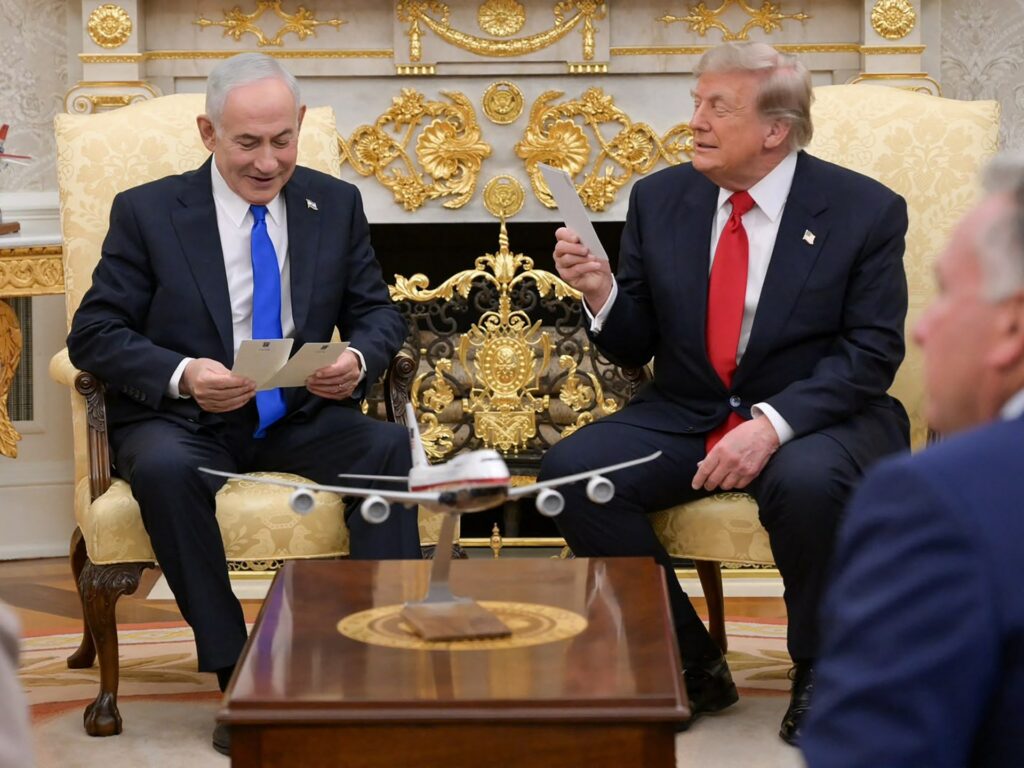
This comes as US President Donald Trump met with Israeli Prime Minister Benjamin Netanyahu in Washington.
Iran's renewed aggression
On Wednesday, Iran launched missiles toward US military forces stationed in Jordan. These missiles were intercepted by Jordanian air defenses, averting potential casualties.
The US Central Command described it as an 'attempted surprise attack,' escalating tensions in the region after a period of relative calm.
“We’ll be hitting them hard.”US President Donald Trump
US response and regional implications
In response to the interception, US President Donald Trump indicated that military retaliation against Iran was imminent.
The Pentagon's readiness status in the region remains high as tensions continue to mount, particularly following recent attacks on Saudi oil interests.
Strait of Hormuz tensions
Iran's Revolutionary Guard announced the capture of three oil tankers in the crucial maritime route of the Strait of Hormuz, citing violations of their maritime laws.
Despite Oman's proposal for a collaborative management of the waterway, Iran has rejected joint control proposals, asserting its right to control shipping routes.
US-Saudi military operations in Iraq
Joint airstrikes by US and Saudi forces have targeted militias in Iraq, viewed as a response to continued attacks on US troops and interests.
These operations mark a significant escalation and hint at broader strategic goals in the region, further complicating Iraq's delicate geopolitical situation.
Background
Recent months have seen heightened tensions between Tehran and Washington, particularly with Iran's growing influence in the Middle East. The military activities signal possible shifts in regional power dynamics.
The Strait of Hormuz, a vital corridor for global oil shipments, has long been a focal point in US-Iran relations. Control of this chokepoint has global economic implications.
What's Next
- US and allied forces are likely to boost military presence and readiness in the Middle East.
- Diplomatic channels remain open, though compromise appears distant given Iran's firm stance.
- Potential for further military engagements in the region by the US or its allies remains a looming threat.
- Oil prices may continue to fluctuate amid ongoing tensions in the Strait of Hormuz.